The world needs clean energy.

Clean energy markets need transparency.

Secret power purchase agreements (PPAs) prevent billions of people from accessing energy.
PPA Watch can help.

Why it Matters
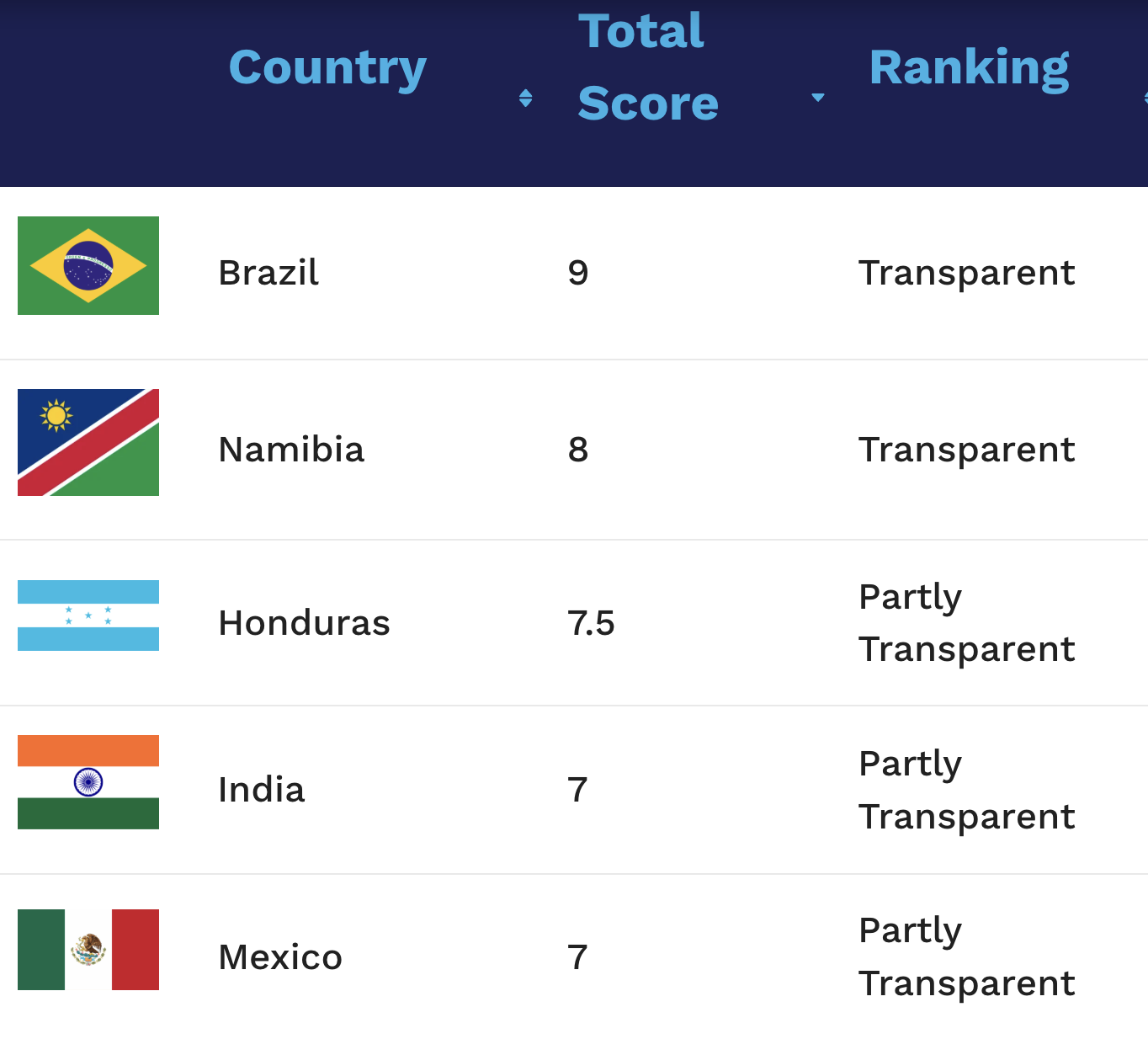
Country PPA Scores

Our mission: Unlock clean energy markets through transparency.

Our climate future hinges on whether global clean energy markets can rapidly scale. But electricity contracts in emerging economies are often signed behind closed doors, slowing deployment and stifling competition. Secret contracts result in more expensive and less reliable power needed for people and industry. PPA Watch advocates for contract transparency to accelerate reliable, modern clean energy for everyone.

PPA Transparency in 2 Minutes

Watch our video to learn why PPA transparency is needed to meet the world’s climate goals & the energy needs of billions.

Scale of the challenge

The world needs more than 1,000 GW of new clean power every year through 2050 to have a chance of reaching net zero. That’s equivalent to building the entire U.S. electricity system every year for the next three decades.

1000+

Gigawatts per year

Gigawatts per year

Source: IEA

The Rankings

Country PPA Scores

Check out our data page to see how individual countries scored. The rankings are based on publicly available information on power sector contracts.

Case Studies and Analysis

Ghana Case Study

During the 2011-16 power crisis, the government of Ghana signed 43 secret PPAs. Today, the country is still living with the grim consequences — from rising tariff rates to mass outages to stalled deployment of renewables.

Mexico Case Study

Mexico’s electricity sector has long been marked by opaque contracting practices. As the new government prepares to add over 60 GW of capacity, enhancing transparency in long-term PPAs will be key to legitimizing reforms and strengthening governance, particularly as CFE and other SOEs expand into renewables and storage.

South Africa Case Study

South Africa’s GDP struggles with load shedding, incurring high daily costs. Efforts, including a $8.5 billion renewable plan, are hindered by conflicts, corruption, and PPA opacity. Transparency in power procurement is essential for economic and energy stability in the country.

Trinidad and Tobago Case Study

Trinidad and Tobago’s ambitious goal of achieving 20% renewable energy by 2030 requires overcoming challenges in reducing natural gas dependence, which can be realized through policy changes and competitive procurement.

India Case Study

India’s power sector, enhanced by the Electricity Act, 2003, aims for a 450 GW renewable target by 2030. Success depends on major financing and resolving distribution companies’ financial problems. Key reforms are needed for transparency and competition, ensuring sustainable energy access.

Kenya Case Study

Kenya Power has signed at least 42 PPAs with private developers. But apart from some basic information, very little detail is available to the public regarding how each contract was procured, its cost structure and resulting electricity price, or the impacts on Kenya’s broader power system.

Indonesia Case Study

Indonesia’s PPA transparency policies are limited, with few fully disclosed contracts, posing corruption risks and hindering effective power sector planning. Enhanced measures, like detailed disclosure and standardized templates, are recommended for market integrity and investor confidence.

Zambia Case Study

Zambia’s PPA policies lack transparency, with no public disclosure of contract details or financial information, despite IPPs accounting for nearly 24% of total electricity generation in 2020. Amending legislation for transparent power procurement and passing the Access to Information Bill can improve transparency.

Malawi Case Study

Malawi’s PPA transparency policies are insufficient, with no public disclosure of contract details or tariffs. This lack of transparency leads to challenges like expensive power deals and non-cost-reflective tariffs. Revising confidentiality clauses, setting tariff disclosure guidelines, and implementing binding regulations are key to resolving the power crisis.

Learn more about how secret power contracts affect you and your work – and what you can do about it.

Governments & Policymakers

Learn about the benefits of greater PPA disclosure.

Citizens

Check how your country scores.

Journalists and civil society

Download the PPA Watch media kit and find out how you can investigate the problem of non-transparent PPAs and their solution in your country.

Investors & Project Developers

Learn about how disclosure can reduce your risk, level the playing field, & enhance your impact.

Climate and clean energy advocates

Learn how disclosure can help accelerate clean energy deployment.